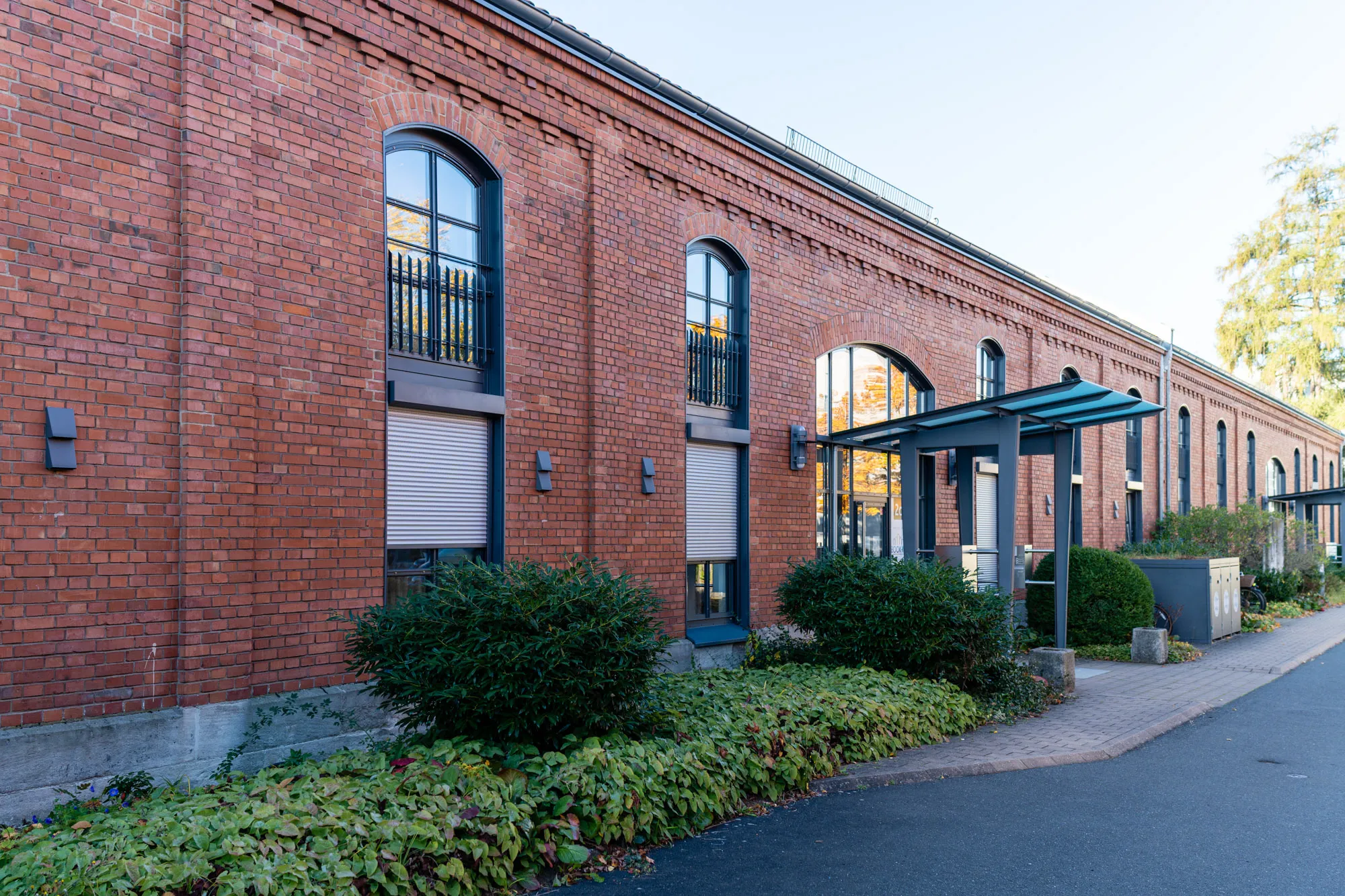
How Sand Hotel let guests choose, and 82% skipped stayover cleaning
·
Erlendur Steinn Guðnason
Stayover nights with no service requested, October 2026
72%
Stayover nights with no service requested, summer average
36 to 46%
No-service rate with Sweeply opt-in at check-in, before Guest Connect
about 80%
Fewer chat messages between housekeeping and reception
0.75 FTE
Labour freed at full occupancy

Sævar Snorrason,
General Manager, Sand Hotel by Keahotels

About Sand Hotel and Keahotels
Keahotels runs 10 three and four-star hotels with more than 800 rooms across three regions of Iceland: six in Reykjavík and four in South and North Iceland, from Hotel Katla near Vík to Hotel Kea in Akureyri, where the chain began.
Sand Hotel is one of its four-star city properties, with 78 rooms in eight categories, from standard rooms to a large suite. Sævar Snorrason is the General Manager and has been with Keahotels since 2021.
Most guests are leisure travellers, and for many Iceland is a once-in-a-lifetime trip. That means high expectations, at some of the highest operating costs in Europe.
The challenge: running blind
Labour costs in Iceland rise across the whole economy, so every supply cost rises with them. Higher prices mean higher guest expectations. Sævar called it “a very thin line”: keep teams lean while holding every standard.
In Sævar’s words, the old way ran on “printed lists and constant messaging.” Each day started with the night receptionist printing task lists for housekeeping. Housekeepers carried the paper and updated it by hand. Rooms were released to reception one message at a time, through a chat app similar to WhatsApp.
Reception was blind. Staff had to keep asking whether rooms were ready, and guests waited.
Housekeepers lost momentum. Every message meant stopping work in one room to deal with another.
Managers had no data. There was no reliable way to measure progress or performance, so any change was an experiment. “It’s just guessing in the end.”
The solution: Sweeply on top of the PMS
Sweeply syncs with Keahotels’ PMS, so departures and room statuses flow in automatically. Each morning, the day’s rooms are assigned to the housekeepers on shift.
Housekeepers see on their phones the moment a room checks out, so they go straight to it instead of waiting or chasing.
They tap start when they enter a room and stop when they finish. Reception sees in real time who is in which room.
A finishing checklist covers what must be double checked before a room moves on.
The room goes to inspection, and a supervisor releases it as clean. Every update syncs back to the PMS.
Because every clean is timed, Sævar built a time standard for each of the eight room types. He uses it to split the workload evenly and spot where time goes.
Training was light. He describes the app as user friendly and largely self-explanatory for housekeepers.
Rethinking stayover housekeeping
Digitising the old process was step one. The bigger gain came from asking guests what they want.
The first step was Sweeply’s opt-in housekeeping. Reception asked each guest at check-in how often they wanted their room cleaned, and Sweeply turned the answers into the day’s tasks. That took Sand Hotel to between 36 and 46% of stayover nights with no service.
But guests at check-in “just want to get it done with,” so many never really weighed the question.
Before summer 2026, Sand Hotel added Sweeply Guest Connect. The question moved out of check-in and onto guests’ phones, where they decide in their own time. Guests can set their preferences in the pre-arrival email, up to two days before they arrive, or from their room and change their mind during the stay, and every choice flows straight into Sweeply as a housekeeping task.
With Guest Connect, the no-service rate jumped to a 72% summer average, and 82% in October.
Results
The biggest win is staffing that fits the real workload. The cleans guests now skip free up 0.75 FTE at full occupancy, and Sævar stresses this is about balance: “nobody’s overworked.”
Calmer communication. Chat between housekeeping and reception is down to a fifth of its old volume. What’s left is what matters, so less gets lost.
Fewer mistakes. Automated status updates replace manual releases, which removes a whole class of human error.
Decisions based on data. Timed cleans per room type replace guesswork when planning shifts or testing changes.
Guests in control. Guests get exactly the service they ask for, with less water, chemicals and linen used on cleans nobody wanted.
This builds on Keahotels’ earlier chain-wide results with Sweeply: 179 hours saved in the first month of the opt-in pilot (case study).
What’s next
Sævar’s goal for the front desk is simple: less admin, more service. With housekeeping running itself, staff can spend their time recommending tours and helping guests plan their days.
Next he is setting up Sweeply’s recurring tasks for preventive work. Every room will get a reminder to rotate its mattress every three months, which extends mattress life and cuts replacement costs.